Experts

a:8:{s:8:”location”;a:1:{i:0;a:1:{i:0;a:3:{s:5:”param”;s:9:”post_type”;s:8:”operator”;s:2:”==”;s:5:”value”;s:7:”experts”;}}}s:8:”position”;s:6:”normal”;s:5:”style”;s:8:”seamless”;s:15:”label_placement”;s:3:”top”;s:21:”instruction_placement”;s:5:”label”;s:14:”hide_on_screen”;s:0:””;s:11:”description”;s:0:””;s:12:”show_in_rest”;i:0;}

Taylor Sartor

5 Vital Steps Home Buyers Don’t Want to Skip

Florida is one of the hottest housing markets in the U.S., making buying a home challenging.  Here are five vital tips for finding the best real estate deals in Florida and having a smooth closing:

1.  View properties in person to make sure you see any aspects of a home not included online.  Touring listings with an experienced real estate agent, who can spot potential concerns, is always wise.  If you must rely on a virtual showing, you can have an agent visit the property and make a purchase offer contingent upon a satisfactory professional home inspection.

2.  Be cautious when buying a home remotely, so you don’t fall prey to any scams, such as fake listings or overpriced properties.

3.  Use trusted financial institutions for making necessary payments, such as a good-faith deposit to a brokerage with a purchase offer.  Online payment apps, such as PayPal and Venmo, don’t offer the same protections as a traditional bank with FDIC insurance.

4.  Make sure your finances are in order before spending too much time searching for your dream home.  Getting a mortgage preapproval is best so you know how much you can borrow and at what terms.  It may also carry weight with a potential seller evaluating multiple purchase offers.  Also, make sure your credit is healthy so you qualify for a mortgage with the lowest interest rate possible, which can save thousands of dollars over the life of your loan.

5.  Use an experienced real estate agent who understands the market where you want to buy a home. They can help you navigate the potentially complex process of making offers, negotiating terms, completing contingencies, and getting to the closing table.  The right agent can help you get an offer accepted when competing with other buyers in a hot real estate market.

SOURCE:  Laura Adams, senior real estate analyst at Aceable, a mobile education platform that offers accredited real estate education in Florida and the U.S.

Three Career Tips for Life After College

Graduating from college is a major achievement, and the beginning of a new challenge.  Finding your first career job, building professional relationships, and deciding what comes next can feel overwhelming, even when you have clear goals.

For student-athletes, graduation may also mean stepping away from a familiar team, structured schedule, and competitive identity.  For sports fans, it is an opportunity to apply the teamwork, preparation, and perseverance they admire to their own career development.

You do not need every answer on graduation day.  You need a willingness to learn, a practical plan, and people who can offer vital guidance.

“Graduation is the start of another season of life,” says Carnell Moore, founder of Premier Players.  “Bring your preparation and determination with you, but give yourself room to discover new opportunities.”

Here are three tips for recent college graduates ready to build a meaningful life beyond campus.

1. Discover Yourself Beyond Your Degree or Sport

Your degree matters, but it does not tell the whole story of what you can contribute.  Neither does your position on a team.

Take time to identify your strengths, interests, and values.  What kind of work motivates you?  Which responsibilities bring out your best?  What have classes, athletics, employment, or volunteer experiences taught you about yourself?

Student-athletes can draw on experiences with time management, accountability, communication, and responding to setbacks.  When applying for jobs, explain those skills through specific examples rather than assuming an employer will recognize them.

Sports fans can also explore how their interests connect with career opportunities.  An enthusiasm for sports might inspire an interest in marketing, event management, business, media, or community service.  Explore the work behind those fields to understand which opportunities fit your abilities.

“Your sport may be part of your identity, but it does not define everything you can become,” Moore says.  “Recognize your strengths, explore your interests, and build a future that reflects what matters to you.”

Self-discovery becomes more useful when paired with action.  Attend an industry event, volunteer for a project, or speak with someone whose work interests you.  Each experience can help clarify your next step.

2.  Build Connections With Purpose

Career networking begins with genuine relationships.  Former teammates, coaches, professors, classmates, alumni, and community leaders can offer perspective as you navigate life after college.

Start by reconnecting with people who know your work ethic.  Share what you are exploring and ask for advice.  An informational conversation can help you understand a profession, prepare for an interview, or discover an opportunity you had not considered.

Use LinkedIn to present your experience clearly and connect with professionals in fields that interest you.  Personalize your outreach, ask thoughtful questions, and follow up with appreciation.

For athletes, your network may already extend across teams, schools, and communities.  For sports fans, alumni groups, volunteer activities, and professional events can create opportunities to meet people with shared interests.

“The strongest connections grow when you take an interest in other people,” Moore says.  “Listen, follow through, and look for ways to contribute.  Those habits build trust.”

Treat networking as an ongoing practice.  Stay connected even when you are not looking for a job, and offer help when you can.

3.  Practice Patience While Taking Action

In sports, progress often comes through repeated preparation before the results become visible.  Career development can require the same persistence.

Your first job may not be your dream job.  An application may go unanswered.  Your interests may change as you gain experience.  These moments are reasons to reassess your approach and keep learning.

Set manageable weekly goals:  submit thoughtful applications, practice interviewing, contact a few professionals, and strengthen a relevant skill.  Track your progress so you can recognize effort and identify what needs adjustment.

Build a realistic budget, maintain healthy routines, and make time for supportive relationships.  These habits can help you manage the uncertainty of the transition from college to career.

“Patience works best when it is paired with preparation,” Moore says.  “Keep taking meaningful steps, stay open to feedback, and adjust your game plan as you learn.”

Prepare for Your Next Season

Celebrate your graduation.  You earned it.  Then approach the next stage with curiosity, discipline, and a willingness to grow.

Discover who you are beyond your degree or athletic achievements.  Build professional relationships through genuine interest and consistent follow-through.  Give yourself time to develop while continuing to take action.

At Premier Players, becoming a Premier Player for Life means carrying the lessons of sports into your relationships, health, career, finances, and service to others.  Your next season is an opportunity to put those lessons to work.

Article by Premier Players

Three Career Tips for Life After College

Graduating from college is a major achievement, and the beginning of a new challenge.  Finding your first career job, building professional relationships, and deciding what comes next can feel overwhelming, even when you have clear goals.

For student-athletes, graduation may also mean stepping away from a familiar team, structured schedule, and competitive identity.  For sports fans, it is an opportunity to apply the teamwork, preparation, and perseverance they admire to their own career development.

You do not need every answer on graduation day.  You need a willingness to learn, a practical plan, and people who can offer vital guidance.

“Graduation is the start of another season of life,” says Carnell Moore, founder of Premier Players.  “Bring your preparation and determination with you, but give yourself room to discover new opportunities.”

Here are three tips for recent college graduates ready to build a meaningful life beyond campus.

1. Discover Yourself Beyond Your Degree or Sport

Your degree matters, but it does not tell the whole story of what you can contribute.  Neither does your position on a team.

Take time to identify your strengths, interests, and values.  What kind of work motivates you?  Which responsibilities bring out your best?  What have classes, athletics, employment, or volunteer experiences taught you about yourself?

Student-athletes can draw on experiences with time management, accountability, communication, and responding to setbacks.  When applying for jobs, explain those skills through specific examples rather than assuming an employer will recognize them.

Sports fans can also explore how their interests connect with career opportunities.  An enthusiasm for sports might inspire an interest in marketing, event management, business, media, or community service.  Explore the work behind those fields to understand which opportunities fit your abilities.

“Your sport may be part of your identity, but it does not define everything you can become,” Moore says.  “Recognize your strengths, explore your interests, and build a future that reflects what matters to you.”

Self-discovery becomes more useful when paired with action.  Attend an industry event, volunteer for a project, or speak with someone whose work interests you.  Each experience can help clarify your next step.

2.  Build Connections With Purpose

Career networking begins with genuine relationships.  Former teammates, coaches, professors, classmates, alumni, and community leaders can offer perspective as you navigate life after college.

Start by reconnecting with people who know your work ethic.  Share what you are exploring and ask for advice.  An informational conversation can help you understand a profession, prepare for an interview, or discover an opportunity you had not considered.

Use LinkedIn to present your experience clearly and connect with professionals in fields that interest you.  Personalize your outreach, ask thoughtful questions, and follow up with appreciation.

For athletes, your network may already extend across teams, schools, and communities.  For sports fans, alumni groups, volunteer activities, and professional events can create opportunities to meet people with shared interests.

“The strongest connections grow when you take an interest in other people,” Moore says.  “Listen, follow through, and look for ways to contribute.  Those habits build trust.”

Treat networking as an ongoing practice.  Stay connected even when you are not looking for a job, and offer help when you can.

3.  Practice Patience While Taking Action

In sports, progress often comes through repeated preparation before the results become visible.  Career development can require the same persistence.

Your first job may not be your dream job.  An application may go unanswered.  Your interests may change as you gain experience.  These moments are reasons to reassess your approach and keep learning.

Set manageable weekly goals:  submit thoughtful applications, practice interviewing, contact a few professionals, and strengthen a relevant skill.  Track your progress so you can recognize effort and identify what needs adjustment.

Build a realistic budget, maintain healthy routines, and make time for supportive relationships.  These habits can help you manage the uncertainty of the transition from college to career.

“Patience works best when it is paired with preparation,” Moore says.  “Keep taking meaningful steps, stay open to feedback, and adjust your game plan as you learn.”

Prepare for Your Next Season

Celebrate your graduation.  You earned it.  Then approach the next stage with curiosity, discipline, and a willingness to grow.

Discover who you are beyond your degree or athletic achievements.  Build professional relationships through genuine interest and consistent follow-through.  Give yourself time to develop while continuing to take action.

At Premier Players, becoming a Premier Player for Life means carrying the lessons of sports into your relationships, health, career, finances, and service to others.  Your next season is an opportunity to put those lessons to work.

Article by Premier Players

The 5 Love Languages: Building Stronger Relationships Beyond The Game

Athletes and sports fans understand the importance of teamwork.  Behind every strong team are people who communicate, support one another, and show up consistently.  Those same habits matter in our relationships with partners, family members, and friends.

Between practices, travel, work, and game days, personal connections can receive less attention than they deserve.  Building healthy relationships takes intention, and understanding how the people closest to us feel appreciated is a good place to start.

“Being a Premier Player means bringing your best to the people who count on you, on and off the field,” says Carnell Moore, founder of Premier Players.  “The effort we put into our relationships should reflect the importance they hold in our lives.”

Gary Chapman’s The Five Love Languages, first published in 1992, introduced a framework for expressing affection through quality time, physical touch, words of affirmation, acts of service, and receiving gifts.  These categories can serve as conversation starters about how we give and receive care.

For athletes and sports fans, the practical lesson is simple:  Ask what makes your loved ones feel supported, listen to their answers, and follow through.  Preferences can overlap and change with circumstances.

Quality Time:  Give Your Relationships Your Full Attention

Sharing a room or watching the same game does not automatically create meaningful connection.  Quality time means being present and making space for conversation.

For an athlete, that might mean protecting time with a partner after a demanding week of training.  For a sports fan, it could mean putting down the phone during dinner or planning an activity around a loved one’s interests.

Watching a game together can be quality time when both people enjoy it and feel connected.  The goal is shared attention, rather than simply shared space.

“You would never expect a team to improve without spending time together,” Moore says. “Strong relationships deserve that same commitment.”


Physical Touch:  Offer Comfort and Connection

Physical affection can communicate warmth and reassurance without being sexual.  Holding hands, sharing a hug, or sitting close together may help a partner feel cared for after a difficult day.

Athletes are familiar with gestures such as a high-five after a good play or a congratulatory handshake.  In personal relationships, affectionate touch can also convey support, but it should always reflect the other person’s comfort and consent.

Ask what feels welcome.  Respecting boundaries is part of showing care.

Words of Affirmation:  Recognize More Than the Scoreboard

Encouragement matters in sports and in everyday life.  Thoughtful words can show someone that you notice their effort, appreciate their character, and value their contribution.

Tell your partner you appreciate their support during a busy season.  Thank a friend who checks on you after a disappointing performance.  Recognize a young athlete’s preparation, sportsmanship, or perseverance and not just points scored or games won.

Specific encouragement carries more meaning than routine praise.  “I noticed how patiently you handled that situation” shows attention to the person behind the achievement.

“The scoreboard tells us what happened in a game,” Moore says. “It cannot measure someone’s worth.  Make sure the people you love know you value them beyond their performance.”

Acts of Service:  Turn Support Into Action

Sometimes the most meaningful expression of care is practical help.  Preparing a meal, handling an errand, or taking responsibility for household tasks can ease pressure during a demanding week.

For athletes balancing competition, school, work, and family, dependable support can make daily responsibilities more manageable.  Sports fans can practice the same care by helping with shared commitments before settling in for game day.

Ask what would help, and follow through.  Acts of service should complement a fair sharing of responsibilities and show that you recognize the other person’s needs.

Receiving Gifts: Make Thoughtfulness the Priority

Meaningful gifts do not need to be expensive.  Their value often comes from the attention behind them.

A handwritten note before a tournament, a favorite snack after practice, or a framed photograph from a memorable game can express appreciation.  For a sports fan, a keepsake connected to a shared experience may mean more than costly merchandise.

Choose something that reflects the recipient’s interests.  The message is simple: “I know you, I remember what matters to you, and I thought of you.”

Build a Relationship Game Plan

Healthy relationships benefit from the habits that help teams succeed:  communication, consistency, respect, and shared effort.

Start with a direct question:  “What have I done recently that made you feel most appreciated?”  Share your own answer, too.  Then choose a few realistic ways to support each other throughout the week.

“At Premier Players, we believe success includes the life you build beyond the game,” Moore says.  “Invest in your relationships with the same purpose you bring to your goals.”

Whether you are competing on the field or cheering from the stands, make room for the people who share your journey.  A strong relationship grows through everyday moments of attention, encouragement, and care.

Article by Premier Players

Top Athletes Follow Simple Plans To Eat Right, Not Be Perfect

One of the most significant issues people have regarding nutrition and getting the vital nutrients they need to succeed in everyday life is being overwhelmed by the data. Studies are great, and they are essential for us to understand the latest science, but they are also a mess of information about confusing things – what on earth is sea moss anyway? – that can lead to people simply giving up and maintaining old (unhealthy) habits.

Getting vital nutrients and being healthy isn’t nearly as hard as some of these studies make it seem. One person looking to make a difference in overall nutrition by making things simpler is Dr. Mike Molloy. Dr. Molloy – a nutritional coach – has worked with athletes such as Crossfitter and UK’s fittest man Zack George, Crossfitter Sara Sigmundsdottir, and world judo champion An Changrim. These are the elite of the elite in terms of athletes. Dr. Molloy believes nutrition principles that allow athletes to perform at their peak while also enjoying a healthy and productive lifestyle can also be used by everyone to be healthier mentally and physically.

Here are his three core concepts to getting those vital nutrients into our body and still loving life.

It begins with the basics

The building blocks of nutrition are ones we can all follow. In many cases, changes begin with eating a high-quality, balanced diet filled with protein. This kind of dieting is one stage of gaining vital nutrition that all athletes swear by, and it’s more common practice in the world of professional sports than taking a lot of supplements.

The other key to nutrition is to stay hydrated. Most people don’t intake nearly enough water on a day-to-day basis. Something as simple as adding an extra 32 ounces of high-quality H2O per day could be the missing piece in reaching your personal nutritional and fitness goals. Finally, make sure you are getting enough good-quality sleep. LeBron James – for example – averages 12 hours of sleep per day. While this is not possible for everyone, it can be used as a sleep guide for overnight sleep and rest periods during the day.

“Sleep and hydration might seem tangential to nutrition, but they are incredibly important for driving good nutritional behaviors,” Dr. Molloy told Insider.com in a recent interview.

Eat for the right reason

The biggest difference between your nutritional needs and that of a professional athlete is an expectation of what the food you consume will allow you to do. An athlete is looking at food from the perspective of optimal performance and is trying to get enough good calories into the body to drive a workout or a competition. While there is some element of that with people just looking to eat better – especially when it comes to working out – the overall goal is often to lose weight and be leaner instead of shredding the body to absorb hits by an outside linebacker. They are different goals, but the same basic principles of knowing what you are eating and how it will get you to that goal apply.

Dr. Molloy again. “It’s not restriction-based; it’s goal-oriented. Not ‘How can I eat as little as possible?’ but ‘How can I eat the right amount to fuel my training so that I’m energized throughout the day, not feeling sluggish, and I’m not hungry?'”

Eat what you want in the right quantities

Circling back around to that sea moss, we get to the point where eating what you want – as opposed to eating what you are told – is vitally important. Nutrition and consuming vital nutrients shouldn’t feel like a chore because if it does, then there is no you will stick with it. Think of this as a long-term planning approach: Telling yourself you can never have pizza is very different from deciding not to have pizza for the two weeks leading up to that lake trip this summer. Know where you want to be at your peak in terms of fitness and nutrition and work back from there, ensuring what you enjoy and like worked into your plans.

“It’s not about never going out for dinner or never eating chocolate; we just build it into their routine,” Molloy said. “As serious as they are as athletes, it’s not about being perfect.”

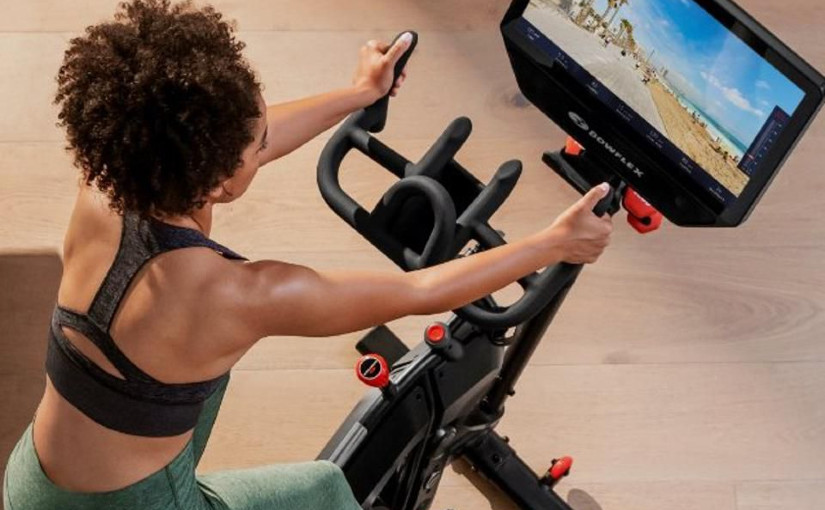
12 Minutes Of Bike Exercise Proven To Benefit Your Health

We know that exercise is as important to our health as vital nutrients and following the vital guidance that doctors and other health professionals give out. The problem can be, especially for people with ultra-busy lives, that there just isn’t enough time in the day to commit to that cardio workout or gym session for it to feel like it is being productive.

Those folks should be happy to hear that a study of 411 middle-aged adults using data from the Framingham Heart Study has some interesting results. According to Harvard health:

“Researchers measured levels of 588 substances involved in metabolism (metabolites) in the volunteers’ blood before and immediately after 12 minutes of vigorous exercise on an exercise bike. The investigators detected changes in more than 80% of the metabolites, including favorable shifts in those linked to diabetes and heart disease. For example, exercise had beneficial effects on metabolites related to insulin resistance (a condition that is a precursor to diabetes), lipolysis (the breakdown of fats), inflammation, and blood vessel reactivity. These benefits appeared to be blunted among people with obesity.”

The way this study achieved its results is interesting. The “12 minutes of vigorous exercise” on the bike were achieved by ramping up the intensity of the workout in one-minute increments. To this end, the first minute was nothing more than a warm-up pace, but by the final minute the participants worked at max effort to pedal as quickly as possible against the resistance they were being given.

With all that in mind, this doesn’t seem like an immediate cure-all for everyone, especially those looking to get back into exercise for the first time in a while. For those people, this type of workout – one that seems to be proven to help with vital health  – is certainly something that could be aimed for somewhere down the line and built up to without over-stressing the body from its current point.

There is also a certain section of people that could immediately benefit from this type of short-form, short-burst exercise. Those are the people – and we are looking at you young professionals – who are still in good enough shape to blast out 12 minutes on an exercise bike each day, but haven’t been doing so on account of them thinking that less than a quarter of an hour of exercise doesn’t produce the type of health benefits they are looking for.

This isn’t an exercise regimen that will bulk up the body like a regular gym membership and ingesting the correct amounts of vital nutrients. Perhaps that is why this news will go unnoticed in some sectors. Instead, this is exercise news for the long term and it requires people thinking about their health before it starts to decline in order for the biggest and best benefits to be felt. Getting those metabolites working at their peak today – especially if you are still young and not exercising regularly – will do wonders for the health of your heart and your liver as you get older .

Another interesting aspect of this study requires more research but is worth considering if you don’t think that vigorous exercise is in your wheelhouse just yet. “We don’t know yet if moderate-intensity exercise would have a similar effect on metabolites. But study participants started off with very light exercise, and each minute the intensity increased,” says Dr. Gregory Lewis, the study’s senior author and a cardiologist at Harvard-affiliated Massachusetts General Hospital.

If it turns out that metabolites do start working at lower intensity levels then that will open up this type of quick – and effective – exercise to a massive range of people who would certainly benefit in the long run. Adding this burst of exercise on off-days to your current training program feels like something that we should all do if we want to lead longer and healthier lives.

Article By Vital Guidance

12 Minutes Of Bike Exercise Proven To Benefit Your Health

We know that exercise is as important to our health as vital nutrients and following the vital guidance that doctors and other health professionals give out. The problem can be, especially for people with ultra-busy lives, that there just isn’t enough time in the day to commit to that cardio workout or gym session for it to feel like it is being productive.

Those folks should be happy to hear that a study of 411 middle-aged adults using data from the Framingham Heart Study has some interesting results. According to Harvard health:

“Researchers measured levels of 588 substances involved in metabolism (metabolites) in the volunteers’ blood before and immediately after 12 minutes of vigorous exercise on an exercise bike. The investigators detected changes in more than 80% of the metabolites, including favorable shifts in those linked to diabetes and heart disease. For example, exercise had beneficial effects on metabolites related to insulin resistance (a condition that is a precursor to diabetes), lipolysis (the breakdown of fats), inflammation, and blood vessel reactivity. These benefits appeared to be blunted among people with obesity.”

The way this study achieved its results is interesting. The “12 minutes of vigorous exercise” on the bike were achieved by ramping up the intensity of the workout in one-minute increments. To this end, the first minute was nothing more than a warm-up pace, but by the final minute the participants worked at max effort to pedal as quickly as possible against the resistance they were being given.

With all that in mind, this doesn’t seem like an immediate cure-all for everyone, especially those looking to get back into exercise for the first time in a while. For those people, this type of workout – one that seems to be proven to help with vital health  – is certainly something that could be aimed for somewhere down the line and built up to without over-stressing the body from its current point.

There is also a certain section of people that could immediately benefit from this type of short-form, short-burst exercise. Those are the people – and we are looking at you young professionals – who are still in good enough shape to blast out 12 minutes on an exercise bike each day, but haven’t been doing so on account of them thinking that less than a quarter of an hour of exercise doesn’t produce the type of health benefits they are looking for.

This isn’t an exercise regimen that will bulk up the body like a regular gym membership and ingesting the correct amounts of vital nutrients. Perhaps that is why this news will go unnoticed in some sectors. Instead, this is exercise news for the long term and it requires people thinking about their health before it starts to decline in order for the biggest and best benefits to be felt. Getting those metabolites working at their peak today – especially if you are still young and not exercising regularly – will do wonders for the health of your heart and your liver as you get older .

Another interesting aspect of this study requires more research but is worth considering if you don’t think that vigorous exercise is in your wheelhouse just yet. “We don’t know yet if moderate-intensity exercise would have a similar effect on metabolites. But study participants started off with very light exercise, and each minute the intensity increased,” says Dr. Gregory Lewis, the study’s senior author and a cardiologist at Harvard-affiliated Massachusetts General Hospital.

If it turns out that metabolites do start working at lower intensity levels then that will open up this type of quick – and effective – exercise to a massive range of people who would certainly benefit in the long run. Adding this burst of exercise on off-days to your current training program feels like something that we should all do if we want to lead longer and healthier lives.

Article By Vital Guidance

Golf Provides Competition & Great Opportunities To Teach Life Lessons

There are plenty of people unable to take part in their favorite sports right now.  Be it playing or watching on TV, sports has always been a way for millions of Americans to escape everyday life for a set period and concentrate on nothing but the action and competition. With team sports being one of the first and longest-standing victims of the Covid-19 pandemic, getting a sports fix in has become hard. One sport that has survived – and perhaps even thrived – is golf, where the solitude of the game makes it just about as socially distant an activity as there is.

Golf is a great sport for kids to learn because of the values the game teaches and because it is something that can be played well into the swansong of life, unlike sports that end after high school,  college (football), or when the athleticism fades (basketball/soccer). Here are a few tips on getting kids onto the course and teaching them a vital life skill that will set them up nicely for whatever is around the corner in 2021

It must be fun

Golf is hard. In a world where attention spans and patience have basically been culled in the youth of today, getting them to concentrate on anything – let alone something as difficult is golf – can be a challenge. The way around this is to make it fun. The main way to make it fun is to introduce the game early – think those big plastic clubs and oversized balls – and just let them have at it. Don’t get too critical if they are in their teens and their stance is a little off. Instead, just let them experiment and see what they can do. Adding in a trip to a Top Golf or any similar competitor is also a great idea as these venues are literally designed to be more fun than serious.

The equipment must be right

Golf equipment can be expensive enough for an adult that has finished growing and will be able to hang on to a set of clubs for a decent length of time. With kids, the cost can be much worse because as they grow their club size needs will change. While getting something thy can grow into sounds good on paper, it is problematic in the short term when they cannot use the clubs properly. Don’t feel like you need to keep getting brand new sets either, however, as Facebook Marketplace is littered with sets other kids have grown out of and they often only have minor wear and tear. Also get your kid some fun balls to hit and let them pick out their own accessories to make it even more likely they will fall in love with the sport under your role as a vital mentor.

Always get a cart

While the benefits of walking the course are endless you may as well forget about it with kids in tow. For one the course length is a huge challenge for younger kids to take on and for two, well, what kid doesn’t love the experience of riding with a parent in a golf cart? This is a no-brainer of a choice to increase the day’s fun for you both.

Focus on them

This can be the hardest trick of all considering how every trip to the course should be seen as a chance to get better. When going with your kids, however, it just has to be all about them. This is not going to be your typical round to relax your life – it might actually add to the stress if your child is not having a good round – but it will be worth it in the end. Sure, hit some balls and play along, but spend your time helping out with questions and just enjoying your growing relationship with your child.

Article By Vital Guidance